Regeneration is God’s work within. Conversion is the sinner’s response without.
When the Spirit gives new life, something changes. The heart that was once hard becomes responsive. The will that once resisted now turns. The Bible calls this turning
conversion.
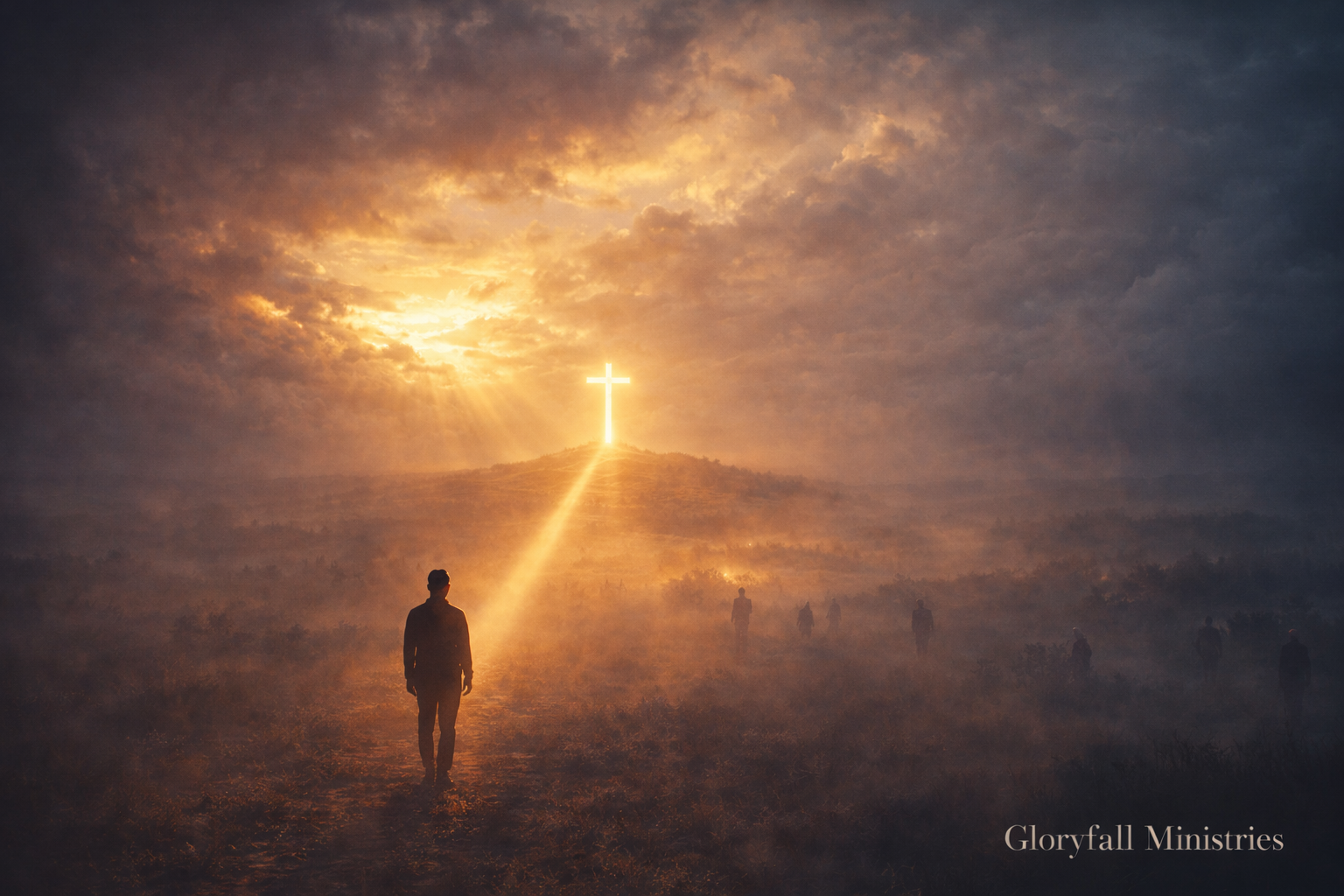
Conversion is not merely agreeing with facts. It is not signing up for religion. It is a decisive turning from sin and turning toward Christ.
1. Conversion Has Two Sides: Repentance and Faith
Scripture consistently presents conversion as having two inseparable parts:
- Repentance (turning from sin)
- Faith (trusting in Christ)
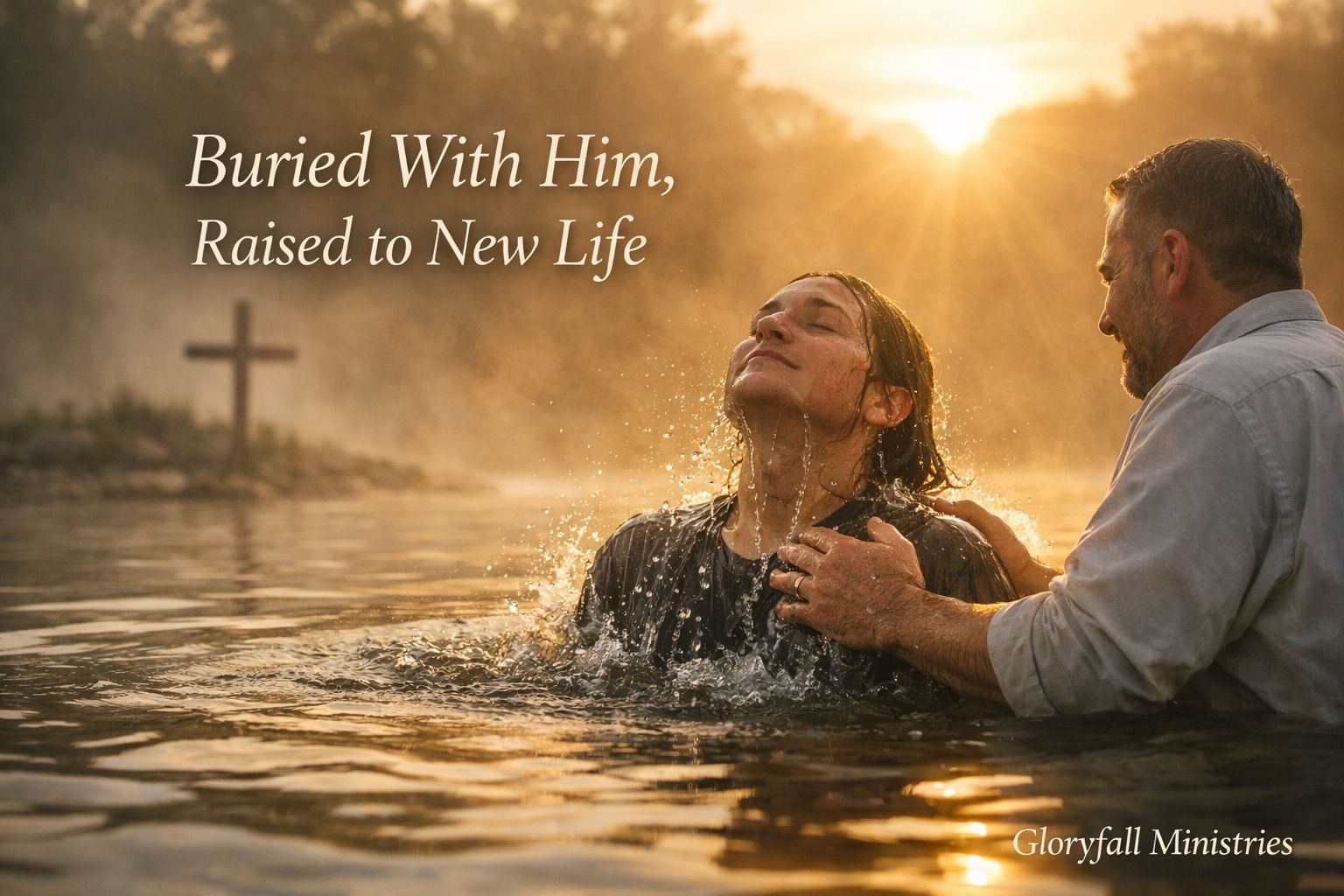
When Peter preached at Pentecost, the people were cut to the heart. They asked what to do. Peter answered plainly:
“Repent and be baptized… for the forgiveness of your sins” (Acts 2:38).
Paul summarized his ministry this way:
“Testifying… of repentance toward God and of faith in our Lord Jesus Christ” (Acts 20:21).
Repentance and faith are not two separate events. They are two sides of the same turning. To turn to Christ is to turn from sin. To cling to sin is to reject Christ.
2. Repentance: A Change of Mind and Direction
Repentance is more than feeling bad.
It involves:
- Conviction of sin
- A change of mind about God
- A new direction of life
Second Corinthians 7:10 speaks of “godly grief” that leads to repentance. This is not shame that hides. It is sorrow that runs toward mercy.
Repentance does not mean perfection. It means a new posture. Sin is no longer defended. It is confessed.
“If we confess our sins, He is faithful and just to forgive us” (1 John 1:9).
3. Faith: Trusting Christ Alone
Faith is not mere belief that Jesus existed. It is personal trust.
John writes, “To all who did receive Him, who believed in His name, He gave the right to become children of God” (John 1:12).
Faith rests in Christ’s finished work:
- His life
- His death
- His resurrection
It abandons self-reliance. It leans fully on Him.
Romans 10:9 says if you confess with your mouth that Jesus is Lord and believe in your heart that God raised Him from the dead, you will be saved.
That is conversion.
4. Conversion Is Real and Visible
Conversion is inward first, but it does not remain invisible.
John the Baptist said, “Bear fruit in keeping with repentance” (Matthew 3:8).
When Zacchaeus encountered Christ, he immediately began making restitution (Luke 19:8–9). When Paul was converted, his life direction changed completely (Acts 9).
True conversion produces fruit. Not flawless performance. Not instant maturity. But a new direction.
Jesus said, “By their fruits you will know them” (Matthew 7:16).
5. God’s Grace and Human Responsibility
Conversion holds two truths together.
God gives life.
The sinner turns and believes.
Scripture commands repentance (Acts 17:30). Scripture promises that whoever believes will be saved (John 3:16). When someone responds, it is real. It is voluntary. It is personal.
And yet, as we have seen, the power behind it is God’s grace.
No one will stand before God and say, “I saved myself.”
And no one will be able to say, “I wanted Christ but was prevented.”
The gospel invitation is sincere.
Conclusion
Conversion is the visible evidence of new birth.
It is the moment when a sinner stops running and starts following. When rebellion gives way to surrender.
When trust shifts from self to Savior.
If there has never been repentance, there has never been conversion.
If there has never been faith, there has never been salvation.
But where there is turning and trusting, there is mercy.
“Whoever comes to Me I will never cast out” (John 6:37).